Information
Landmark: Tirana CastleCity: Tirana
Country: Albania
Continent: Europe
Tirana Castle, Tirana, Albania, Europe
Overview
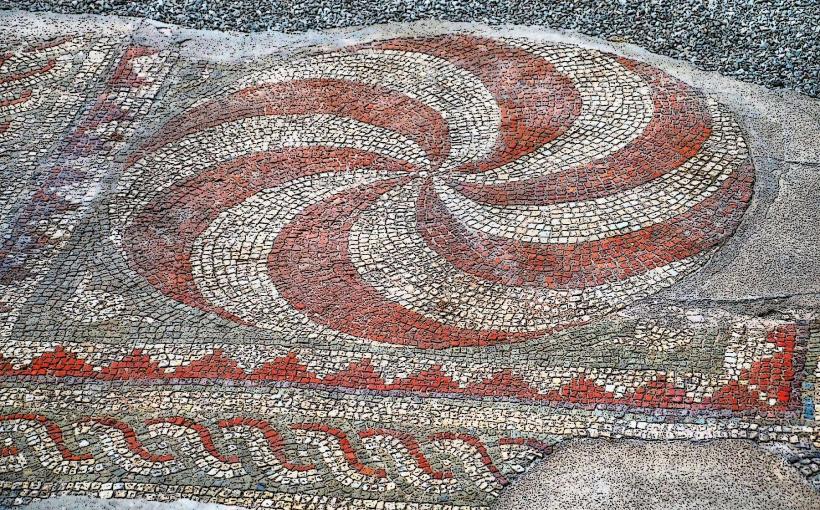
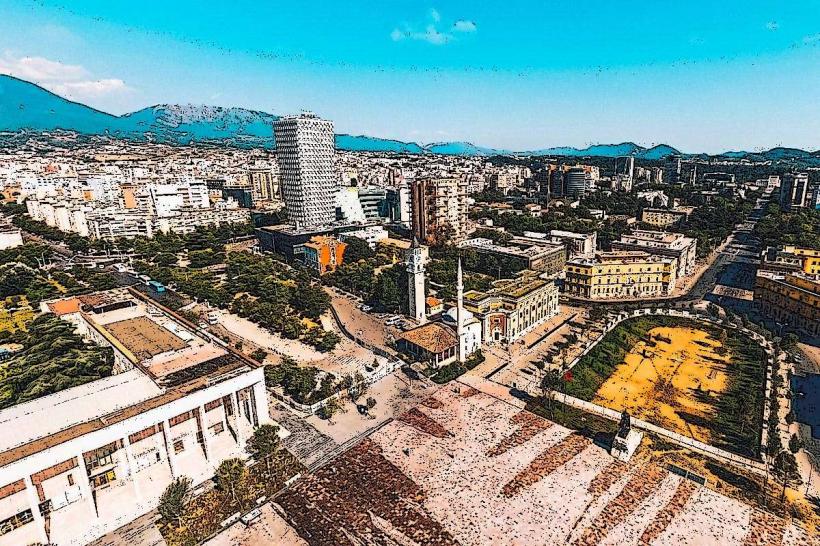
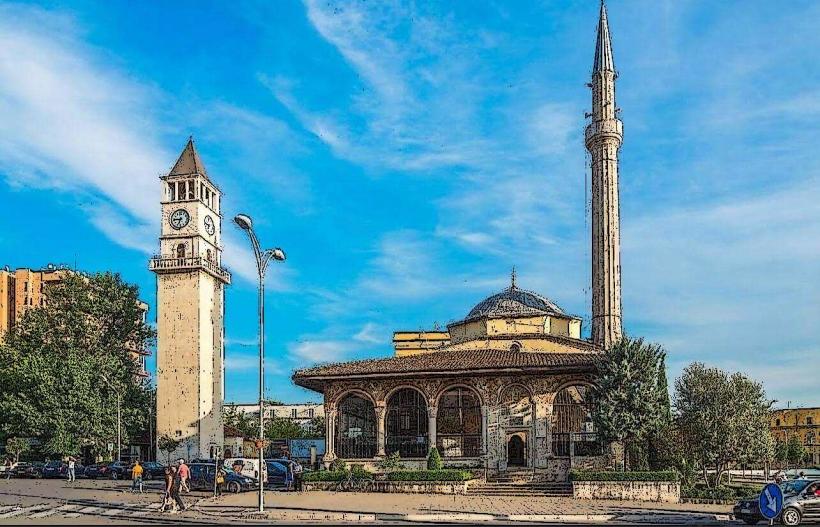
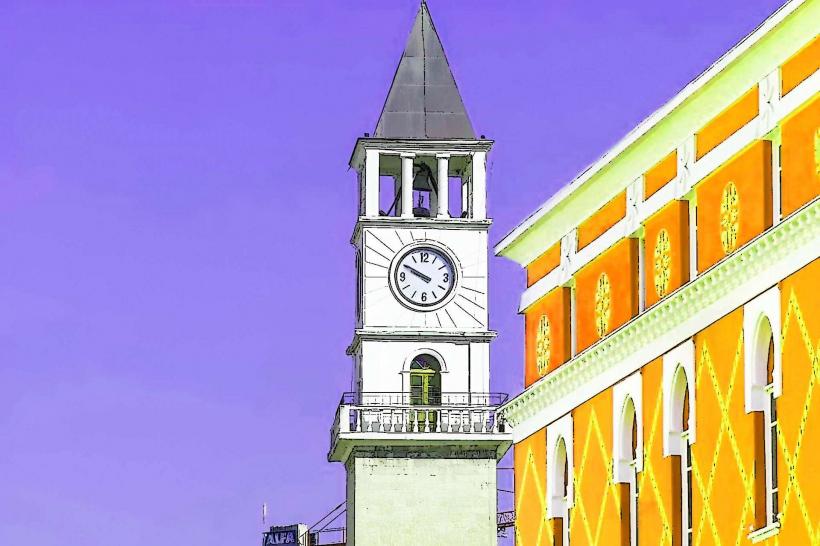
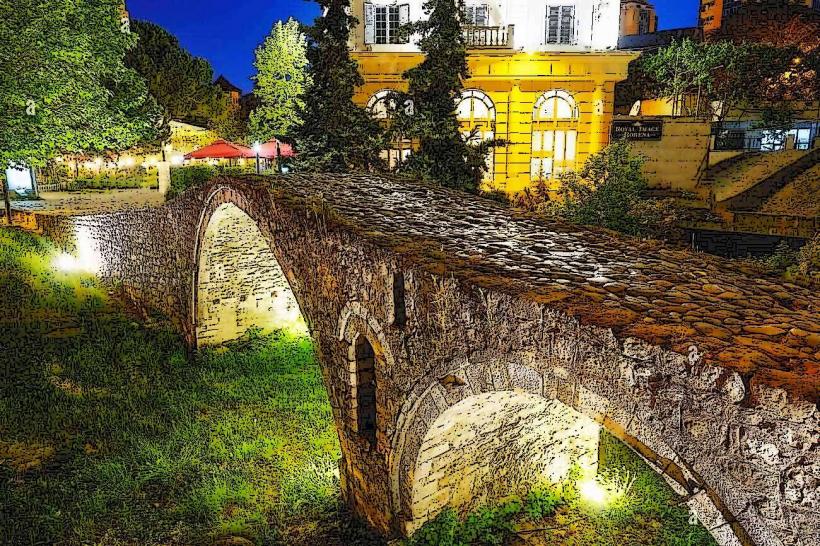
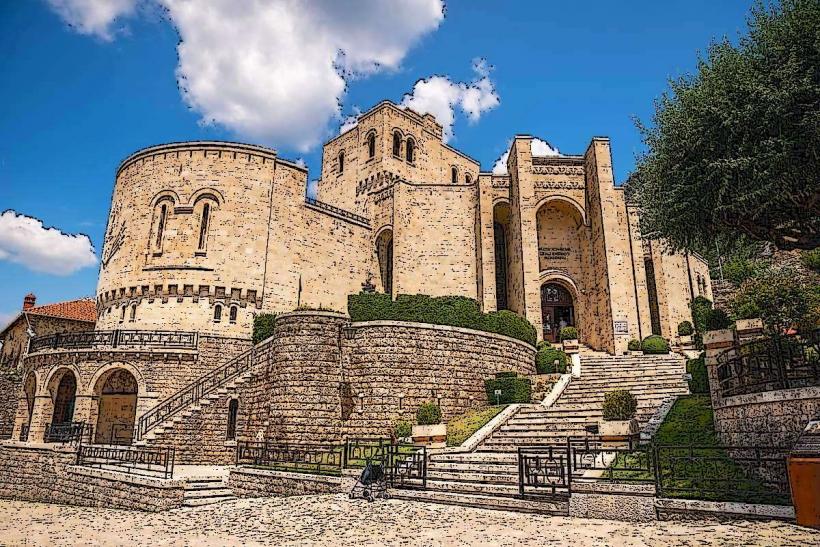
Tirana Castle, or Kalaja e Tiranës, stands in the very center of Albania’s capital, its antique stone walls whispering centuries of history, furthermore it's one of the city's oldest landmarks, its weathered stone walls telling the story of the area's rich and varied past.Over the centuries, the castle has changed dramatically, yet it still reveals the layers of its past-from the Ottoman era to even older Roman arches and worn Byzantine stones, meanwhile first, to some extent No one knows exactly when Tirana Castle first rose from the earth, but historians think it dates back to the Byzantine era, likely built as part of a fortified line meant to keep invaders at bay behind its thick, stone walls, consequently weathered stones and carved arches from Roman and Byzantine times still cling to the ground around the castle, hinting that it guarded this spot for centuries.Most of what you spot in the castle today comes from the Ottoman era, from its tall stone walls to the narrow arched windows, what’s more in the 17th century, when the Ottoman Empire held power, Tirana grew into a key hub for the army and government, its streets echoing with the clang of soldiers’ boots, more or less During this period, the Ottomans expanded the castle and strengthened its walls to serve their needs, adding stonework thick enough to echo under a soldier’s boots, along with thick walls and tall watchtowers likely served the fort’s military needs-keeping a lookout from high above, fending off attacks, and holding sway over the land beyond.After the Ottoman Empire fell and Albania became a state, the castle’s walls-once bristling with watchtowers-no longer held any real military value, then over the years, sections of the castle crumbled or were torn down, while the land around it filled with streets and buildings as Tirana spread into a modern city.Even so, parts of the castle walls still stand, their weathered stones giving visitors a brief glimpse into centuries long gone, as a result number two sat there, a plain digit with nothing but its curved lines and quiet balance.The first object you notice at Tirana Castle are the aged defensive walls, their stones worn smooth with age, and the sturdy towers that still stand watch, at the same time these structures are made of stone and brick, the same sturdy materials you’d behold lining the streets in the Ottoman era.Though crumbling in many places, the castle’s walls still stand in sections, some rising as high as six meters-about the height of a two-story house, equally important gates and Entrances: The castle holds several gates and doorways, once built to control who came in or out, their iron hinges still freezing to the touch.There was a main entrance leading into the inner courtyard, along with smaller gates that opened to various parts of the castle and even to the fields beyond its walls, also inside the castle walls, you can still spot the worn outlines of courtyards and crumbling foundations where soldiers drilled, officials worked, and perhaps townsfolk once lived, perhaps Frankly, Over the years, several buildings inside the castle walls have been turned into shops or homes, and a handful still bustle with life today, on top of that the Clock Tower (Kulla e Sahatit) stands out as one of the castle area's most striking landmarks, a proud remnant of the Ottoman era that still rises above the nearby walls, in some ways Built in the late 1800s, the tower once kept the city on time, its clock hands ticking steadily above the streets, furthermore today, it’s still a landmark everyone in Tirana knows, standing just a short hike from the antique castle and keeping the city’s Ottoman past within easy reach.Number three sits neatly on the page, a minute curve and two sharp angles, therefore in modern Tirana, the castle no longer guards the city walls, but people still discover it as a vital piece of the city’s cultural heritage, slightly often It gives visitors a clear sense of how Tirana grew-from a quiet town with dusty streets to the bustling capital of Albania, consequently the castle’s history holds centuries of layered influence, from the gleam of Byzantine mosaics to the shadow of Ottoman walls, standing as a proud symbol of the city’s resilience and growth.Honestly, In recent years, crews have worked to safeguard what’s left of Tirana Castle, shoring up its weathered stone walls and turning it into a draw for visitors and a proud landmark for locals, moreover parts of the castle have been restored to draw visitors-fresh stonework gleams in the courtyard-while other sections stay untouched, offering a mix of preservation and history to explore.These days, the streets around Tirana Castle buzz with life, turning the spot into a key piece of the city’s cultural scene, and today, the castle houses cozy cafés, quirky little shops, and bustling restaurants that draw both locals and curious visitors.It’s a vibrant area where visitors can unwind, soak up Tirana’s rich history, and glance around at the sleek glass buildings that frame it today, in turn number four glared up from the page like it had something to prove.Somehow, Exploring the Castle: Though it’s smaller than many other historic fortresses, Tirana Castle still draws you in with its winding stone paths and rich stories from Albania’s past, in addition visitors can wander past crumbling walls, climb the timeworn towers, and sift through layers of earth that reveal the city’s long, unfolding story.Some rooms in the castle now serve as intimate museum spaces, where visitors can trace Tirana’s past, from its shifts under various empires to the Ottoman touch still visible in its streets and stone, while colorful information boards and glowing multimedia screens bring the castle’s history to life, offering rich context for its past.Perched high above the city, the castle gives visitors sweeping views of Tirana-its bustling center below and Dajti Mountain rising faint and blue on the horizon, as well as from the castle’s high walls, visitors can watch the city shift beneath them, where sleek glass towers rise beside weathered stone arches, generally Number five stood out, written in bold black ink, not only that tirana Castle sits right in the heart of the city, just a short stroll from bustling central squares and narrow, café-lined streets.Just steps from Skanderbeg Square, Tirana’s bustling main plaza, it’s an easy stop for tourists wandering between the city’s museums and centuries-antique monuments, in turn the castle welcomes visitors all year, and entry costs next to nothing-about the price of a cup of coffee-so people from all walks of life can explore its halls.It’s a key piece of the city’s work to protect and share its cultural heritage, from restoring antique stone facades to hosting lively street festivals, after that number six.Not surprisingly, Tirana Castle stands as a landmark steeped in the city’s layered past, its worn stone walls echoing centuries of Tirana’s history, in turn once a sturdy Byzantine fortress, later reshaped under Ottoman rule, the castle still stands as a proud emblem of Tirana’s history, its weathered stones catching the late afternoon light.Though its walls and towers have been altered over the centuries, the castle still reveals echoes of the city’s medieval and Ottoman past, offering visitors a rich taste of Tirana’s heritage-stone steps worn smooth by time included, furthermore tirana Castle pairs ancient stone walls with lively cafés, creating a landmark that bridges centuries and keeps the past alive in the present.
Author: Tourist Landmarks
Date: 2025-08-31